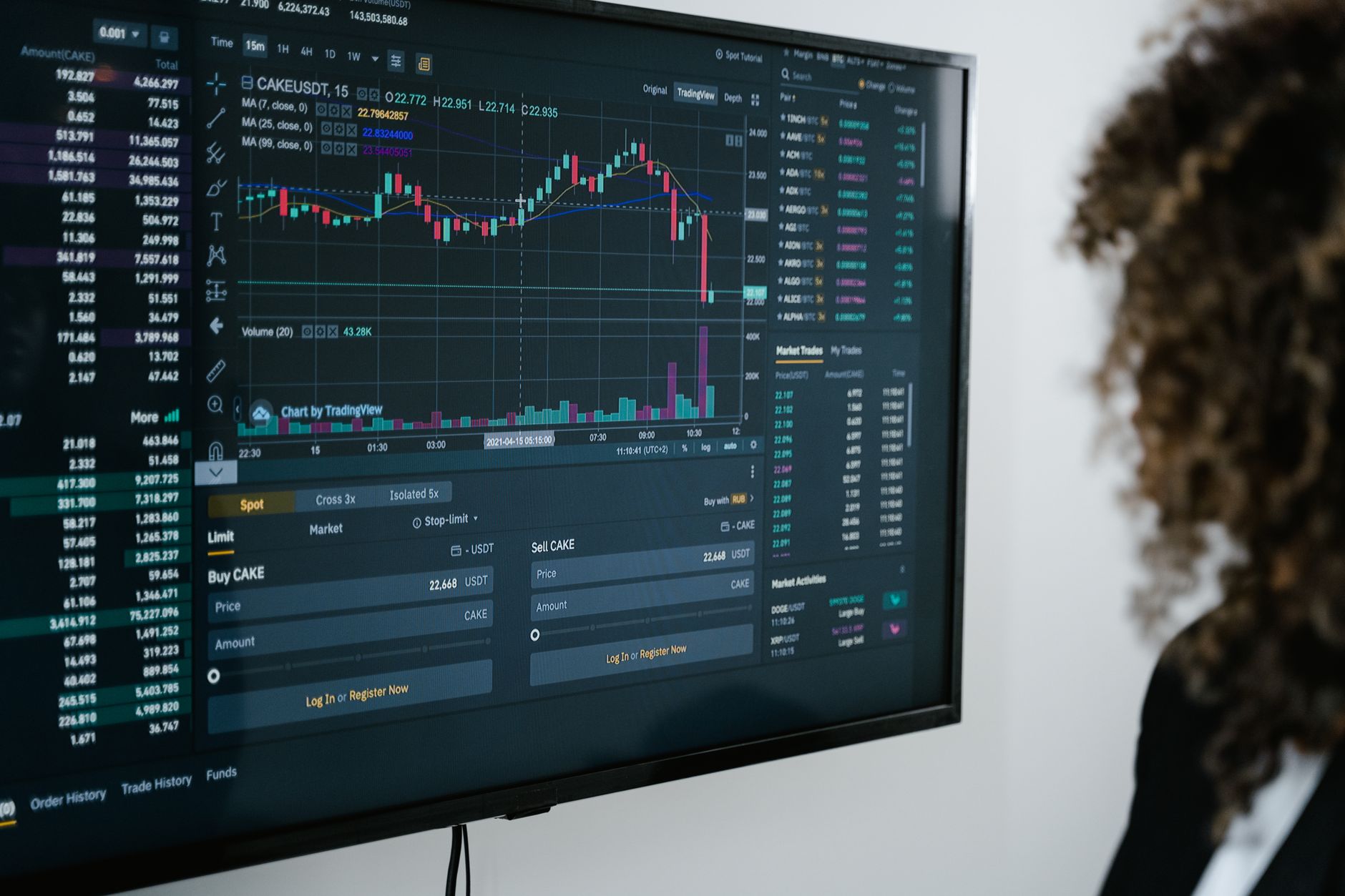
The USDA Pricing AI Analyst is transforming how retailers approach pricing strategies. This innovative tool promises to enhance decision-making and optimize profit margins.
What is the USDA Pricing AI Analyst?
The USDA Pricing AI Analyst is an innovative tool designed to assist retailers in making informed pricing decisions. Developed by GrubMarket, this cutting-edge software utilizes advanced artificial intelligence to analyze pricing trends and market dynamics within the agricultural sector. By leveraging data from the United States Department of Agriculture (USDA), the tool provides retailers with real-time insights into pricing fluctuations, enabling them to adjust their strategies accordingly.
Key features of the USDA Pricing AI Analyst include:
- Comprehensive Data Analysis: The tool processes vast amounts of market data to identify patterns and trends.
- User-Friendly Interface: Retailers can easily navigate the software, making it accessible for users of all skill levels.
- Customizable Reports: The AI analyst generates tailored reports that meet the specific needs of retailers, enhancing their decision-making processes.
- Real-Time Alerts: Users receive notifications about significant price changes, allowing them to act swiftly.
With its robust features, the USDA Pricing AI Analyst is poised to become an essential tool for retailers seeking to optimize their pricing strategies and stay competitive in the market.
How Does the USDA Pricing AI Analyst Work?
The USDA Pricing AI Analyst utilizes advanced algorithms to analyze vast amounts of data related to food pricing and market trends. By leveraging machine learning and artificial intelligence, this tool is designed to provide retailers with accurate pricing insights.
At its core, the USDA Pricing AI Analyst processes information from various sources, including:
- Government reports
- Market research studies
- Historical pricing data
- Consumer demand patterns
Once the data is collected, the AI model identifies trends and forecasts future pricing behaviors. This predictive capability allows retailers to make informed decisions about pricing strategies, ensuring they remain competitive in a fluctuating market.
Additionally, the USDA Pricing AI Analyst offers real-time updates and alerts. Retailers can customize their parameters to focus on specific products or regions, enhancing the relevance of the insights provided. By integrating this tool into their operations, retailers can streamline their pricing processes and improve profitability.
Overall, the USDA Pricing AI Analyst serves as a valuable resource for those looking to optimize their pricing strategy and maximize market potential.
Benefits of Using AI in Retail Pricing
The integration of artificial intelligence in retail pricing has revolutionized the way businesses operate, offering numerous advantages that enhance profitability and efficiency. Here are some key benefits of using AI in retail pricing:
- Data-Driven Decisions: AI algorithms analyze vast amounts of data, allowing retailers to make informed pricing decisions based on real-time market trends and consumer behavior.
- Dynamic Pricing: With tools like the USDA Pricing AI Analyst, retailers can implement dynamic pricing strategies that adjust prices according to demand fluctuations, optimizing revenue potential.
- Improved Competitive Edge: By utilizing AI, retailers can quickly adapt to competitor pricing, ensuring they remain competitive in a fast-paced market.
- Time Efficiency: Automating pricing processes reduces the time spent on manual price adjustments, enabling staff to focus on other critical business areas.
- Enhanced Customer Insights: AI tools can provide detailed insights into customer preferences, helping retailers tailor their pricing strategies to meet specific consumer needs.
Overall, the USDA Pricing AI Analyst represents a significant advancement in retail pricing strategy, offering retailers the opportunity to leverage technology for improved outcomes.
Challenges Retailers Face with Pricing Strategies
Retailers face numerous challenges when it comes to developing effective pricing strategies. One major obstacle is the lack of accurate data, which can lead to misinformed decisions and lost revenue. Additionally, fluctuating market conditions can make it difficult to maintain competitive pricing while ensuring profitability.
Another challenge is understanding consumer behavior and preferences. Retailers often struggle to predict how price changes will impact sales and customer loyalty. This uncertainty can result in hesitation to adjust prices, limiting their ability to respond to market demands.
Moreover, many retailers lack the technological resources to analyze vast amounts of data quickly. Traditional pricing methods can be time-consuming and inefficient, leaving retailers at a disadvantage compared to more tech-savvy competitors.
In this context, the USDA Pricing AI Analyst emerges as a potential solution. By leveraging advanced algorithms and real-time data, it can assist retailers in making informed pricing decisions that address these challenges. However, the effectiveness of the tool will ultimately depend on how well retailers integrate it into their existing pricing strategies.
Future of AI in Retail Analytics
The future of AI in retail analytics is poised for significant transformation, especially with innovations like the USDA Pricing AI Analyst leading the charge. Retailers are increasingly recognizing the value of data-driven insights to enhance pricing strategies and boost profitability. As the retail landscape evolves, AI capabilities will become more sophisticated, enabling businesses to respond to market fluctuations with agility.
One of the promising aspects of AI in retail analytics is its ability to analyze vast amounts of data in real-time. This means retailers can better understand consumer behavior, optimize inventory management, and adjust prices dynamically. With tools like the USDA Pricing AI Analyst, businesses can leverage advanced algorithms to forecast trends and identify the most effective pricing strategies.
However, the journey is not without challenges. Retailers must navigate data privacy concerns and ensure that the algorithms used are transparent and fair. As technology continues to develop, it is essential for retailers to remain adaptable, embracing new tools while addressing potential ethical implications.
Ultimately, the integration of AI into retail analytics heralds a new era of precision and efficiency, making it an exciting time for industry stakeholders.
Photo by Tima Miroshnichenko on Pexels