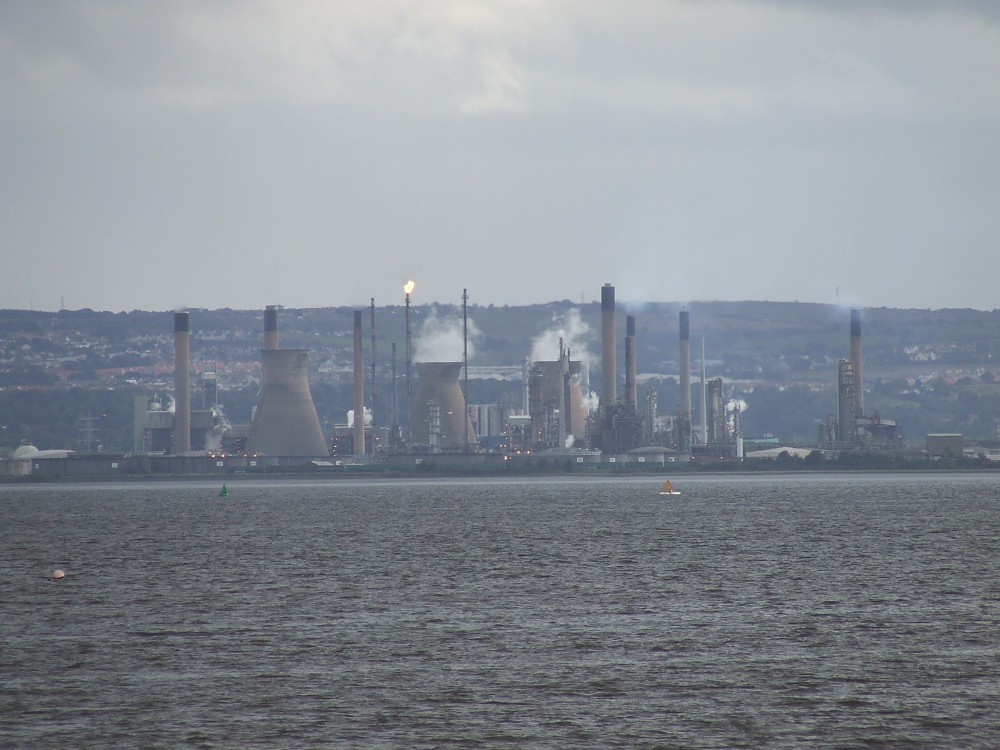
East-West Pipeline expansion is a significant move by Saudi Aramco to enhance oil transport capabilities. This initiative aims to bypass the Strait of Hormuz and increase capacity to 10 million barrels.
Overview of the East-West Pipeline Project
The East-West Pipeline expansion project is a significant endeavor aimed at increasing the efficiency of oil transport in the region. This expansion, initiated by Saudi Aramco, seeks to enhance the existing infrastructure that allows for the transportation of crude oil across the kingdom.
As geopolitical tensions continue to affect global oil supply routes, the need for secure and reliable transportation methods has become increasingly crucial. The East-West Pipeline expansion aims to address these challenges by providing an alternative route that bypasses the strategically sensitive Strait of Hormuz.
Key features of the project include:
- Increased capacity to transport up to 10 million barrels of oil per day.
- Enhanced safety measures to minimize risks associated with oil transport.
- Reduced dependence on maritime routes prone to disruptions.
By expanding the East-West Pipeline, Saudi Aramco is not only bolstering its operational capabilities but also contributing to the stability of global oil markets, making it a pivotal development in the energy sector.
Impact on Global Oil Supply
The expansion of the East-West Pipeline is poised to significantly impact the global oil supply landscape. With Saudi Aramco’s initiative to enhance capacity to 10 million barrels per day, this development will provide greater stability and reliability in oil transportation.
One of the primary benefits of the East-West Pipeline expansion is its ability to diversify routes for oil transport, thereby reducing dependence on traditional chokepoints like the Strait of Hormuz. This diversification is crucial, as it mitigates risks associated with geopolitical tensions that can disrupt supply lines.
Moreover, the expansion will likely lead to a decrease in shipping costs and transit times, facilitating quicker access to global markets. With increased capacity, producers can respond more effectively to changes in demand, ensuring that supply meets market needs.
In summary, the East-West Pipeline expansion not only enhances Saudi Arabia’s logistical capabilities but also contributes to a more resilient and adaptable global oil supply chain, vital for meeting future energy demands.
Challenges in Pipeline Expansion
The expansion of the East-West Pipeline is not without its challenges, which may affect the overall success of the project. Among the primary concerns are environmental impacts, regulatory hurdles, and geopolitical tensions in the region.
One significant challenge is the potential environmental consequences of pipeline construction and operation. Critics argue that the expansion could threaten local ecosystems and water resources, raising concerns among environmental advocacy groups.
Additionally, navigating regulatory frameworks can be complex. The East-West Pipeline expansion must comply with various national and international laws, which can lead to delays and increased costs. Stakeholders must work closely with governments to ensure all regulations are met.
Moreover, geopolitical tensions in the Middle East can pose risks to the project. Any escalation in conflicts or diplomatic disputes could threaten the security of the pipeline and its operations. This uncertainty makes it crucial for Saudi Aramco and other involved parties to develop robust risk management strategies while pursuing the East-West Pipeline expansion.
Saudi Aramco’s Strategic Goals
As part of its strategic goals, Saudi Aramco is committed to enhancing its infrastructure to ensure a secure and efficient oil transport system. The East-West Pipeline expansion is a critical initiative that aligns with the company’s vision of increasing operational resilience against geopolitical uncertainties.
By expanding the pipeline capacity, Saudi Aramco aims to achieve several key objectives:
- Increased Capacity: The expansion will lift the pipeline’s capacity to 10 million barrels per day, facilitating greater oil flow to global markets.
- Improved Security: Bypassing the Strait of Hormuz mitigates risks associated with maritime transport, ensuring uninterrupted supply.
- Economic Growth: Enhanced oil transport capabilities are expected to stimulate local economies by creating jobs and boosting related industries.
- Environmental Considerations: Saudi Aramco is also focusing on sustainable practices during the expansion process to minimize environmental impact.
These strategic moves not only fortify Saudi Aramco’s position in the global oil market but also contribute to the overall stability of energy supplies worldwide.
Environmental Considerations
The expansion of the East-West Pipeline has raised important environmental considerations that must be addressed. While the project aims to enhance oil transport efficiency, it is crucial to evaluate its potential ecological impacts.
Experts highlight several key concerns:
- Habitat Disruption: The construction and operation of the pipeline may disrupt local wildlife habitats, particularly in sensitive ecosystems.
- Water Resources: Potential leaks could threaten groundwater and surface water supplies, affecting both communities and agriculture.
- Carbon Emissions: Increased oil transport may lead to higher carbon emissions, counteracting global efforts to combat climate change.
- Regulatory Compliance: Ensuring adherence to environmental regulations is essential to minimize adverse effects and maintain public support.
Saudi Aramco has indicated its commitment to implementing best practices in environmental management as part of the East-West Pipeline expansion. By investing in technology and monitoring, the company aims to mitigate risks while maximizing the benefits of this crucial infrastructure.
Future of Oil Logistics in the Region
The future of oil logistics in the region is poised for significant transformation, particularly with the ongoing East-West Pipeline expansion. This project not only enhances the capacity for oil transport but also strategically positions nations to mitigate risks associated with geopolitical tensions in critical areas like the Strait of Hormuz.
As the demand for oil continues to grow globally, the efficiency and reliability of transportation methods become increasingly vital. The East-West Pipeline is set to play a crucial role in ensuring that oil can reach markets swiftly and safely, thereby stabilizing supply chains.
Key benefits of this expansion include:
- Increased Capacity: The expansion will lift the pipeline’s capacity to 10 million barrels per day, significantly supporting regional producers.
- Diversified Routes: By providing alternative routes for oil transport, the expansion reduces dependency on vulnerable chokepoints.
- Enhanced Security: Improved logistics can lead to heightened security measures, safeguarding oil supplies from potential disruptions.
Overall, the expansion signals a robust future for oil logistics, facilitating better access to global markets.
By FoodieExplorers via Openverse